


Adriana Rosales, MSW
Associate Psychotherapist
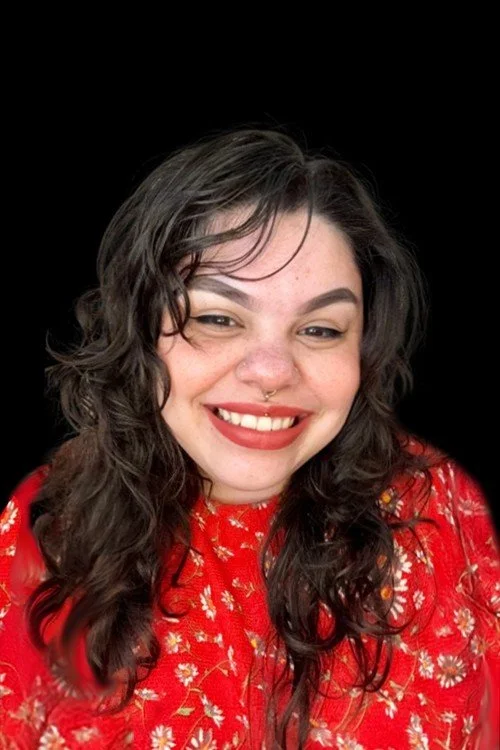
Adriana Rosales, (she/her)
I’m a queer, multicultural Latine therapist based in Chicago, Illinois. I provide, individual, relationship (including couples) and group therapy to adolescents and adults who are carrying the long-term impact of stress, trauma, and systems that haven’t always been kind or fair. Many of the people I support are LGBTQIA2S+, neurodivergent (including ADHD and Autism), Latine or BIPOC, from immigrant or first-generation families, and/or grew up with financial instability. I offer affirming therapy in Chicago and across Illinois through telehealth and in-person. My work is shaped by my own lived experience and by years of witnessing how racism, ableism, fatphobia, and other forms of harm build up in the body over time. When people come to therapy feeling anxious, numb, or overwhelmed, I don’t see something broken. I see a nervous system that learned how to survive in difficult conditions.
My work is deeply rooted in understanding and treating complex trauma, from a trauma parts and somatic lens. Often times, complex trauma has a way of distorting how we experience ourselves, our relationships and the world around us. It is not surprising because relational harm is often accompanied by skewed and negative internalized messages that many of us carry and operate from unconsciously.
Therapy is about understanding what your system has been protecting you from and helping you feel safer and more supported. In our work together, I move at a pace that respects your nervous system and your lived reality. I care a lot about consent, collaboration, and choice. You won’t be pushed to share more than you’re ready for or asked to force yourself into coping strategies that don’t fit. I work with adults and couples navigating trauma, PTSD and C-PTSD, anxiety and depression, neurodivergence (ADHD, Autism, HSP), migration and first-generation experiences, acculturative stress, race- and gender-based harm, and non-monogamous or kink-affirming relationships. Many of my clients have had their identities and/or relationships misunderstood or judged in spaces that do not center identity affirming care. I aim to offer therapy that is curious and affirming while being grounded in respect for different ways of loving and relating.
My therapeutic approach is rooted in consciousness raising depth work. I am particularly drawn to employing modalities that center parts work because I understand that trauma has a way of fragmenting our sense of self. Mindfully, I draw from approaches including Internal Family Systems (IFS), the Structural Dissociation model, ACT, DBT, somatic practices, mindfulness, Health at Every Size (HAES), and strengths-based work. Skills are offered as supports, not requirements. If you’re looking for a therapist who understands coping as a response to what you’ve been through and not a personal flaw, someone who values consent, pacing, and relational safety, this would be a supportive place to land.
Lastly, I understand that people are traumatized behind closed doors, but heal through community. I provide group therapy for those who have experienced relational harm through my “Complex PTSD and Narcissistic Abuse Recovery Group.” Additionally, I run a queer neurodivergent group which allows for a place where people can discuss, masking, unmasking, and navigating a predominately neurotypical world.
My specialties include but are not limited to:
• Depression and anxiety
• Trauma, PTSD, and C-PTSD
• Neurodivergence including ADHD and Autism
• Migration and first-generation experiences
• Acculturative stress
•LGBTQIA2S+
• Race and Gender-based violence
• Gender and/or sexuality exploration
• Kink/BDSM and Polyamory/Non-monogamy
Adriana earned her Bachelor of Social Work (BSW) from Northeastern Illinois University, where being in a deeply diverse community shaped how she has come to understand care and connection. Additionally, she completed her Master of Social Work (MSW) at the University of Michigan, where her clinical training emphasized reflection on privilege, oppression, diversity, and social justice in practice.